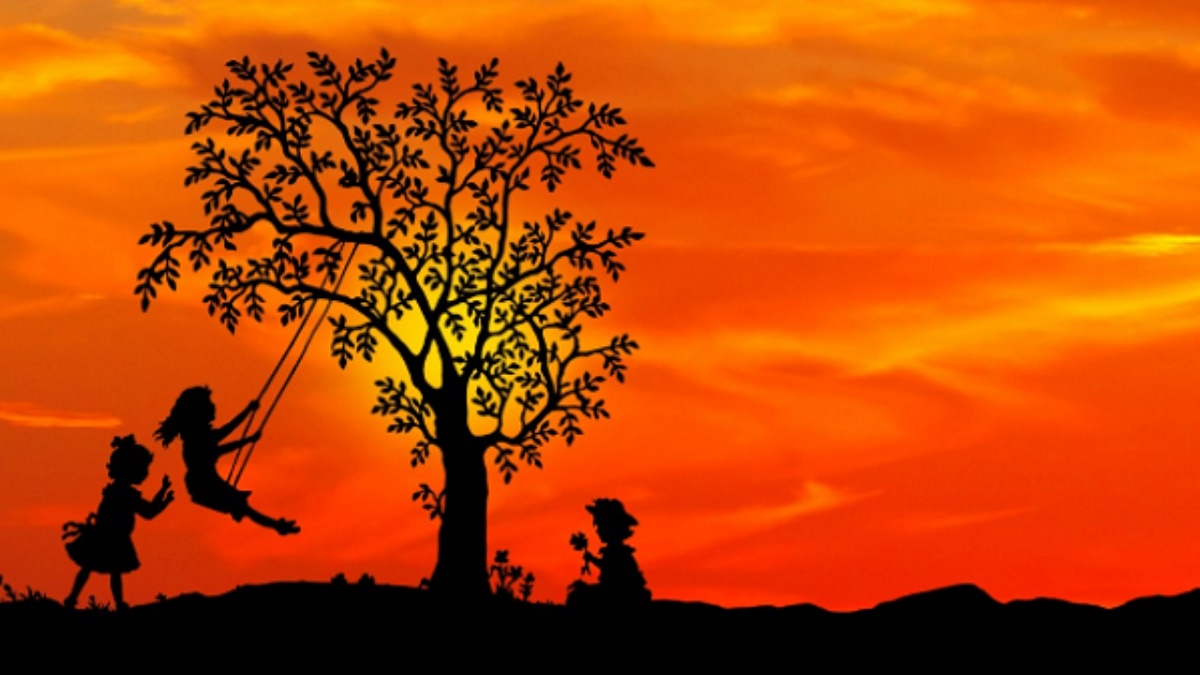
Tag: rebirth

  • The Destroyer Archetype is the angel of death

    The Destroyer is the Angel of Death who makes us authentic, stripping us of the superfluous and useless. And he makes us understand that all that matters is the experience that remains in the soul and not in earthly things. It is necessary to be allies of death, to live walking side by side with death. With the knowledge that you can die at any moment. Only in this way can you fully experience the present moment in the here and now.

    At some point in life there comes a time when we discover that everything we have worked for no longer exists. What we believed in ended in nothing. We feel failed, empty, disappointed, embittered, we fall apart and life no longer makes sense. We feel a sense of helplessness and injustice towards life. Towards forces greater than us, we feel at the mercy of fate, with the sensation that the world has fallen on us, in those moments the Destroyer is active

    The Destroyer is essential to metamorphosis, growth, evolution

    It works through abandonment and betrayal. Judgment, scourging, derision, torture, dismemberment, shattering, crucifixion, death, and rebirth. These are all elements of the initiation process, and they allow for awakening.

    The mysteries of love, birth, and death require a sacrifice to be understood. The Destroyer helps us break off relationships that don’t work. To get rid of ways of thinking and of being no longer suited to our needs. To let go of all the things one is attached to, to deconstruct oneself from all patterns and rules, from all conditioning.

    The Destroyer Archetype

    Planet – Pluto
    Zodiac sign – Scorpio
    Eighth astrological house – Loss, Death and Resurrection, management of common goods.

    Axis of energy – Guardian Angel – Destroyer – Fool

    Quality – Attachment
    metamorphosis, change, ability to let go, detachment, humility, presence in the here and now

    Shadow – Destructiveness
    abuse of harmful substances, excesses and dangerous actions, poor consideration of one’s own life and property and that of others. Crime, death, suffering, failure, resistance to change, attachment to old patterns

    Purpose in life – Growth, change, metamorphosis
    Fear – Of stagnation, of death without rebirth, of the end, of arrest

    Relationship with the dragon problem – It destroys it, takes it apart piece by piece, deconstructs it

    Lesson to learn – Transformation, learning to let go, learning to change, learning humility

    Topics to explore – Change and obstacles, family loyalty, death, and rebirth. Letting go, the renunciation of the ego, the symptom, and the disease. The unconscious drive of death, betrayal, loss, and integration of mourning, Pluto, and the realm of the dead.

    .

  • Tree of life spiritual and religious meanings

    Tree of life spiritual and religious meanings

    The Tree of Life has many spiritual and religious meanings and can be interpreted in many ways. The beauty of this is that you can find in this symbol a meaning to relate to. The tree of life represents how everything is interconnected.

    Interconnection

    We do not exist in a vacuum or closed in a room with watertight compartments, but we are connected with the world around us. The circular aspect of the symbol represents the world, while the tree represents everything the world contains. It also shows a cyclical structure with everything connected.

    Individuality

    Each tree is unique and has its own characteristics. In fact, at first all trees look the same, but as they grow each tree becomes unique. Over time, trees acquire character and beauty, withstanding all kinds of trials and challenges to stay strong and standing. Like the tree, we too are different from each other and this symbol reminds us of this.

    Fertility and family

    The word tree is often used to talk about the connection with family and ancestors. We say family tree to symbolize the many family ties to various people across generations. A tree is a symbol of fertility as it finds a way to perpetuate itself. The tree of life is also green and luxuriant, all symbols of fertility.

    Calm, peace and relaxation

    There is something about being under a large tree that invokes a sense of strength, peace and relaxation. This is a feeling we rarely get from anything else. A tree is rarely agitated. Rather it is calm and peaceful, gives and nurtures quietly.

    Stability, strength and growth

    A tree is a symbol of stability and strength. We use the metaphor of a tree with roots spreading into the ground to talk about strength, stability and grounding. It also symbolizes growth, as a tree is the result of years of slow and patient growth from a vulnerable sapling to a robust tree.

    Rebirth

    A tree can lose its leaves and appear dead, but when conditions are right, the tree comes back to life with beautiful leaves appearing again. As such, the tree of life symbolizes rebirth and overcoming difficult times. It represents a new beginning, a newly turned leaf.

    The tree-of-life is typically depicted as a large tree with branches and roots extending up and down, respectively, and is contained within a circle. This symbol has links to religion, philosophy, and spirituality and can be traced back to almost all ancient cultures. The idea of ​​the tree of life has existed almost as long as humanity has existed.

    Buddhism

    The Buddhist religion has always revered the Bodhi tree; tree under which the Buddha attained enlightenment. This tree represents the path to enlightenment and, as such, is the symbol of life.

    Christian references to the tree of life in the bible

    Adam and Eve could not eat from the tree of life, which would allow them to live forever. This tree is often seen as a representation of God’s love. In the book of proverbs, the writer connects the tree of life with wisdom.

    Celtic tree of life

    In Celtic culture are often represented with branches reaching upward and roots extending deep into the ground. It is a representation of the Druidic belief of the connection between heaven and earth. The Celts believed that trees were human ancestors, with trees even holding the gates to other worlds. The Celtic tree of life is the most popular tree of life symbol in Western countries.

    For the ancient Celts was a symbol of balance and harmony. Trees in general are an integral part of Celtic beliefs and cultures, with the tree of life being of great importance among them. Celtic culture is a representation of how the forces of nature combine to create balance and harmony.

    This idea can be explained through the image of a forest: in it several trees combine together to give it life, moreover their united strength provides hospitality and food to the living beings who live there. Furthermore, the branches and roots of these trees grow both deep in the ground and towards each other, just as the forces of nature are widespread and strong.

    In addition to representing balance, harmony, and cooperation in nature, this symbol also has other meanings in Celtic culture.

    The tree also represents long life and wisdom, as it is known that many forest trees have a very long life and see a lot of things happen during their existence. Furthermore, the tree represents the cycle of the seasons and rebirth, passing from losing its leaves in autumn to a new budding in spring.

    The Celts finally thought that this tree connected the upper and lower worlds through its roots and branches, for this reason, it was a connection tool that allowed you to speak with the gods.

    Ancient egypt

    In ancient Egypt, it was believed that the tree of life was a symbol of both death and abundance. Furthermore, with its branches reaching towards the sky and its roots towards the underworld, the tree of life symbolized the center of the universe.